

Just days before the 2026 World Cup, Nuevo León recorded its first case of screwworm myiasis in a human male, according to the Ministry of Health’s (SSa) Weekly Epidemiological Surveillance Report.
The case appeared in the records for epidemiological week 20—with data current as of May 29—and has sparked concern.
Although few details regarding the case have been released, reports indicate that the patient is an 84-year-old man from the municipality of Linares. The patient remains hospitalized at Clinic 2 of the Mexican Social Security Institute (IMSS).
Public data from the Ministry of Health show that 254 cases in humans have already been recorded nationwide. The state reporting the highest number of infections is Veracruz, with 66 cases.

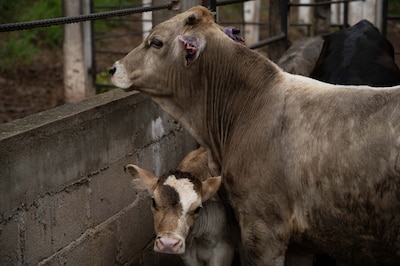
Records also reveal that among cattle, horses, sheep, and other livestock, Nuevo León has tallied a total of 235 positive cases of screwworm myiasis.
What is the screwworm?
Screwworm myiasis is an infection caused by fly larvae that feed on the living tissue of mammals—such as livestock and humans—and, rarely, birds.
Screwworm myiasis can be caused by two fly species: the New World screwworm, found in the Western Hemisphere (South America and the Caribbean); and the Old World screwworm, found in the Eastern Hemisphere (Asia and Africa).
The larvae can infest very small wounds, such as a tick bite or even the navel of a newborn infant.
How can screwworm infection be prevented?
The federal government has explained that maintaining good personal hygiene is key to reducing the risk of contracting this myiasis infection, particularly among children, older adults, individuals with limited or no mobility, vulnerable populations, and those who have frequent contact with animals. “Added to this is the recommendation to wear protective clothing—such as long sleeves and trousers—when engaging in activities in the countryside or near animals, as well as to apply authorized repellents to skin and clothing to ward off flies,” the Ministry of Health added.
In the case of companion animals, prevention entails constant inspection. “Closely examining areas such as the ears, paws, tail, muzzle, and fur allows for the timely detection of any wounds, irritation, or skin lesions,” the federal agency explained.
If any such issue is identified, the Ministry noted, it is important to clean the area, keep it protected, and immediately seek the assistance of a licensed veterinarian.
“It is also recommended to prevent the animal from licking or scratching the affected area, as this can aggravate the injury,” it emphasized.
Source: elfinanciero