
The historic heart of Monterrey, the capital of Nuevo León, is undergoing a multi-million dollar major restoration by the city government after decades of neglect and less than a month before the 2026 FIFA World Cup.
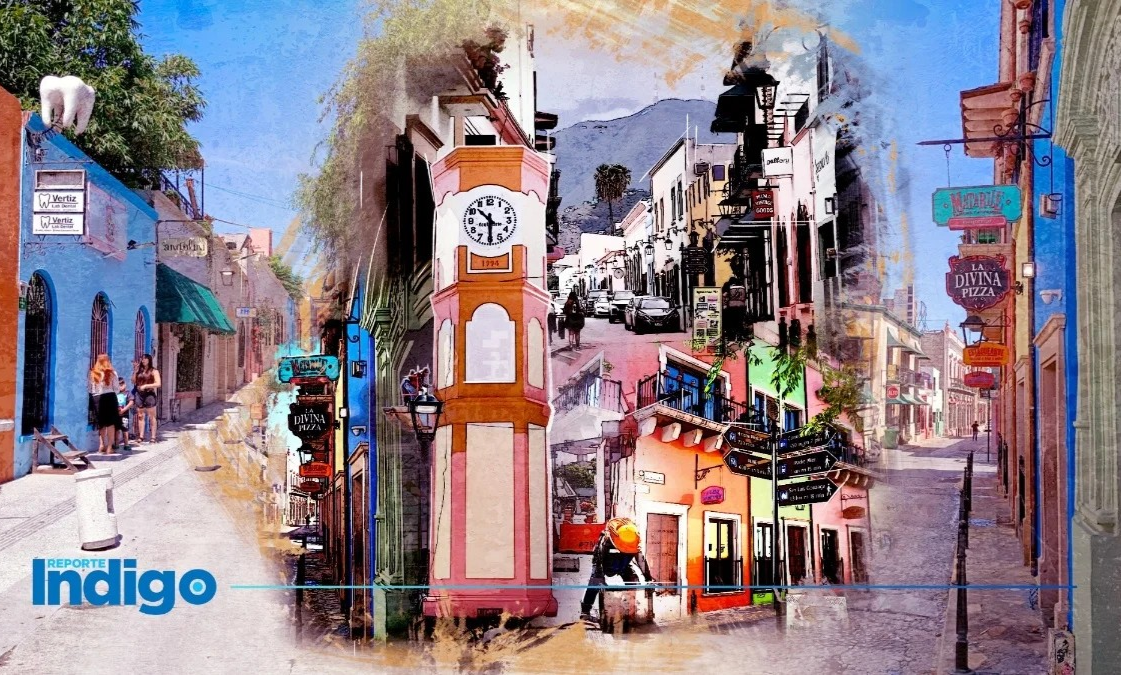
Destruction and neglect were readily apparent, but this image has changed in recent times: colonial-era mansions from the 17th to the 20th centuries—193 of the 384 properties of historical and architectural value—are now being restored across 17.7 hectares and 20 city blocks. This is the Barrio Antiguo (Old Quarter), a historical gem that was on the verge of disappearing, and now seems to be experiencing a revival. It is undergoing a multi-million dollar major restoration by the city government after decades of neglect.
Thirty years ago, this area was rescued and comprehensively restored by the municipal government of then-mayor and later PRI governor, Sócrates Rizzo García. This protected area, encompassing the polygon between Avenida Constitución, Doctor Coss, Padre Mier, and General Naranjo, is practically being rebuilt just days before the 2026 FIFA World Cup kicks off.
In August 2024, the first step in restoring this iconic neighborhood was taken, with over 100 facades being renovated by the State Tourism Secretariat and the Municipality of Monterrey to preserve and beautify one of the city’s most valuable historical spaces.

The Barrio Antiguo, which was bustling before the wave of insecurity that plagued Nuevo León in the last decade, has been revitalized and is becoming a top-tier tourist destination. The sidewalks, paving, cobblestone streets, the emblematic Barrio Clock, and the sewer system are all being rehabilitated by the current municipal administration, headed by Adrián de la Garza Santos.
The project also includes repairing broken streetlights, removing unused overhead wiring, painting facades, renewing signage, placing trash cans, and installing a security totem, among other urban improvements.
On December 19, with the 2026 World Cup in mind, the Monterrey government launched the regeneration of the historic center with an investment of 150 million pesos. Companies contracted for this restoration are working to remove gang graffiti and other markings from approximately 200 of the 400 properties stretching from the Marco Museum to Padre Mier Street, and are seeking to revitalize others that are abandoned, dilapidated, or uninhabited.
The Municipality of Monterrey reported that this revitalization of the Barrio Antiguo (Old Quarter) demonstrates how tourism can promote the preservation of cultural heritage while improving the quality of life for residents and businesses. Mayor Adrián de la Garza announced that the project is part of the “The World Cup is in my home, the World Cup is in Monterrey” campaign.
“The program consists of improving the streets and sidewalks that are currently in poor condition, and where in some streets it is almost impossible for pedestrians and drivers to pass,” the mayor stated.
During the administration of Governor Sócrates Rizzo García, the state leader promoted the regeneration and historical preservation of this iconic area. Therefore, on March 10, 1993, the Regulations for the Old Quarter of Monterrey were enacted and published in the Official Gazette of the State.
Since that year, the area has been a protected zone, and its regulations aim to govern the conservation, construction, and land use within the perimeter bounded by Avenida Constitución, Doctor Coss, Padre Mier, and Naranjo streets. The regulations prohibit structures taller than two stories (12 meters) without authorization and require materials and colors approved by the Protection Board, although many of these guidelines have not been followed in the last three decades. The regulations can be consulted at this link.
As a result, the historic mansions were restored using conservation techniques that respected the authenticity of the site and aligned with the guidelines of the National Institute of Anthropology and History (INAH); today, many are empty or have been converted into offices.
The INAH Catalog of Historical Monuments contains all buildings constructed up to 1900, which are legally entitled to protection and conservation. Additionally, there is the 2013 Catalog of Properties with Historical and Artistic Value of the Barrio Antiguo Protected Zone, which registers approximately 193 properties of heritage value and includes plans, architectural styles, and technical data sheets for colonial-era mansions.
Source: reporteindigo