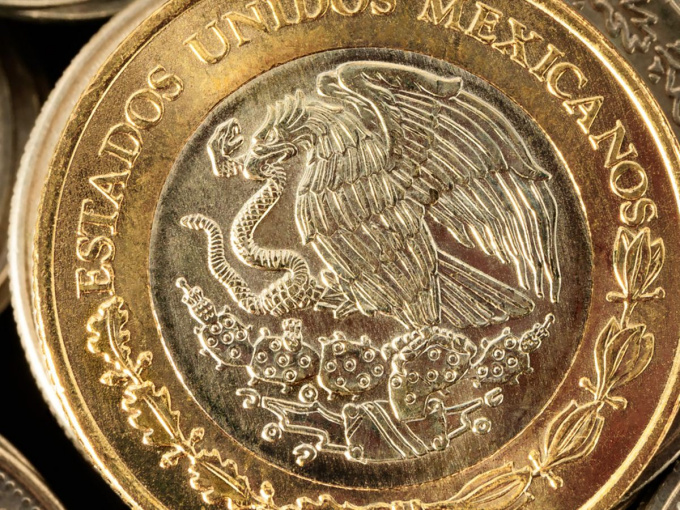

Major banks, including JPMorgan and Citi, expect the U.S. dollar to remain strong across Latin America in the second quarter of 2026, driven by global geopolitical tensions and investor demand for safe-haven assets. Regional currencies such as the Mexican peso, Brazilian real, and Chilean peso are likely to face pressure.
Dollar Outlook in Latin America (Q2 2026)
Global Context
- Geopolitical tensions in the Middle East have reinforced the dollar’s role as a safe-haven currency.
- Investors are shifting capital toward the U.S., boosting demand for the dollar and weakening Latin American currencies.
JPMorgan’s View
- JPMorgan sees continued dollar strength in the short term.
- The bank highlights that risk aversion among global investors will weigh on emerging market currencies.
- The Mexican peso, despite its resilience in recent years, may experience volatility due to external shocks.
Citi’s Perspective
- Citi projects a gradual appreciation of the dollar through 2026, consistent with historical recovery patterns after periods of weakness.
- The strengthening is not expected to be abrupt, but rather a steady climb as the Federal Reserve maintains restrictive monetary policy longer than anticipated.
Regional Impact
- Mexico (Peso): Sensitive to U.S. monetary policy and trade flows; expected to weaken moderately.
- Brazil (Real): Vulnerable to commodity price fluctuations and domestic fiscal challenges.
- Chile (Peso): Pressured by copper market volatility and global demand shifts.
- Argentina (Peso): Already under strain from inflation and fiscal imbalances, dollar strength could exacerbate instability.
Key Takeaways
- Dollar strength is likely to persist in Q2 2026, supported by geopolitical risks and Fed policy.
- Latin American currencies face headwinds, with varying degrees of vulnerability depending on domestic conditions.
- Investors should expect volatility in regional FX markets, particularly in commodity-dependent economies.
Risks and Considerations
- If geopolitical tensions ease, the dollar could lose momentum, offering relief to regional currencies.
- A shift in Federal Reserve policy toward rate cuts would weaken the dollar, reversing current trends.
- Commodity price rebounds could support currencies like the Brazilian real and Chilean peso.
In summary, JPMorgan and Citi foresee a strong dollar in Latin America during Q2 2026, with regional currencies under pressure from global uncertainty and U.S. monetary policy.
Source: El Financiero