The arrival of the so-called “green buses” on the streets of Nuevo León has sparked curiosity among public transportation users about what these new routes actually bring. Beyond their eye-catching color, these buses incorporate several features aimed at modernizing the service and improving the commute experience in the metropolitan area.
The new units boast being less polluting, operating with emissions-reducing technology, which could represent a small environmental respite in one of the areas with the heaviest traffic in the country. They also incorporate systems such as GPS, a panic button, and a direct connection to monitoring centers, which, in theory, would allow for a faster response in emergencies.
What features do the green route buses have?
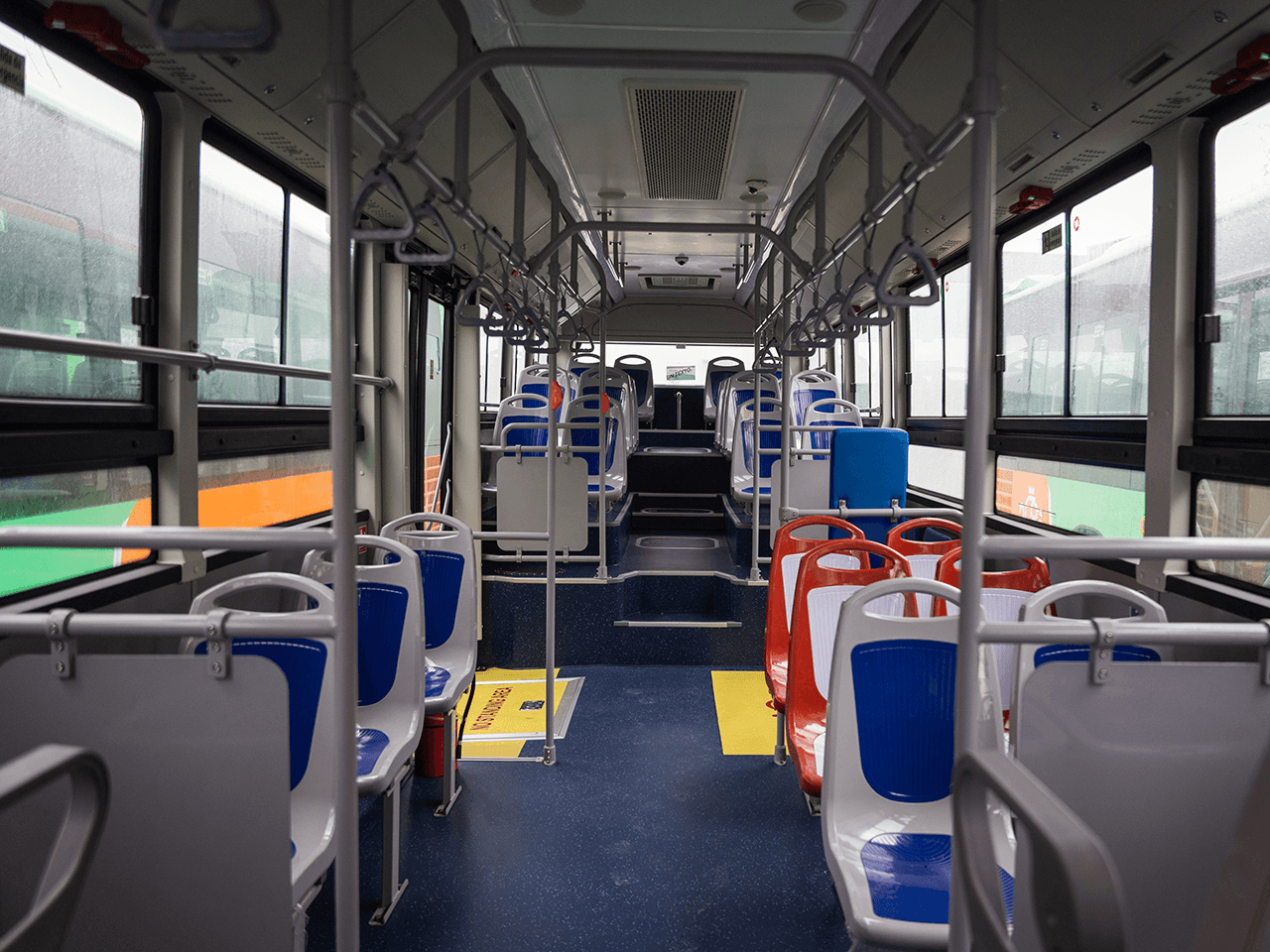
Among the main changes are the low-floor design, intended to facilitate access for senior citizens, wheelchair users, and people with reduced mobility. They also have designated spaces for women and improved interior visibility, elements that aim to offer safer and more organized journeys.

The buses also integrate real-time tracking systems, allowing for better monitoring of routes, travel times, and vehicle locations. The intention is to reduce delays, disorganization, and user uncertainty at stops where it’s unclear when the next bus will arrive.
Will this truly improve the user experience?
While the technical features sound promising, the effectiveness of the green routes will be measured in practice: shorter wait times, smoother journeys, functional air conditioning, and greater safety inside the buses.
In the coming months, with the arrival of more buses and new Metro cars in preparation for the 2026 World Cup, Nuevo León will face a significant test: demonstrating whether this transportation upgrade truly translates into more dignified and efficient mobility for everyone.
The federal government will allocate between 1.5 and 2 billion pesos to Nuevo León for its role as host of the 2026 FIFA World Cup, funds that will be directed exclusively toward strengthening mobility and public transportation. A similar amount will be allocated to Mexico City and Jalisco.
In the case of Jalisco, the investment will focus particularly on lines 4 and 6 of the Monterrey Metro, as part of infrastructure projects aimed at addressing the increased demand for transportation prior to the sporting event. State and federal authorities have indicated that, although the funding could not be finalized this year, it will be delivered next year, thus reinforcing transportation modernization plans in the metropolitan area.
Source: info7